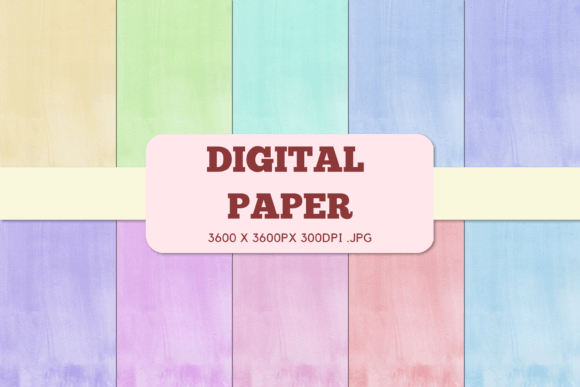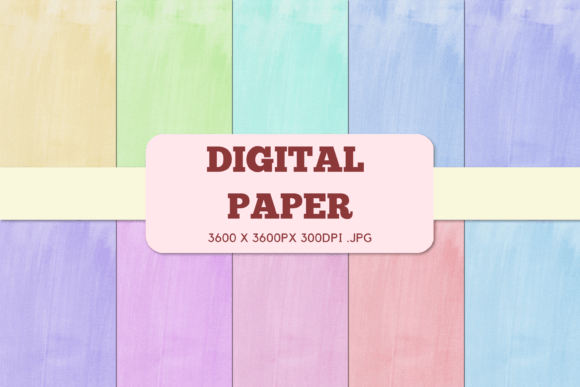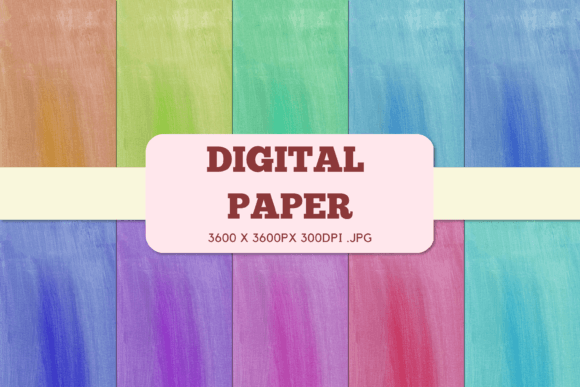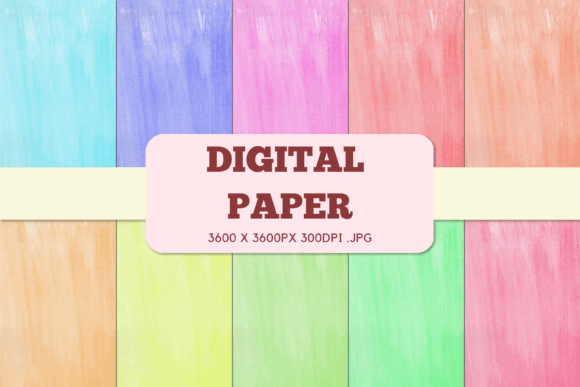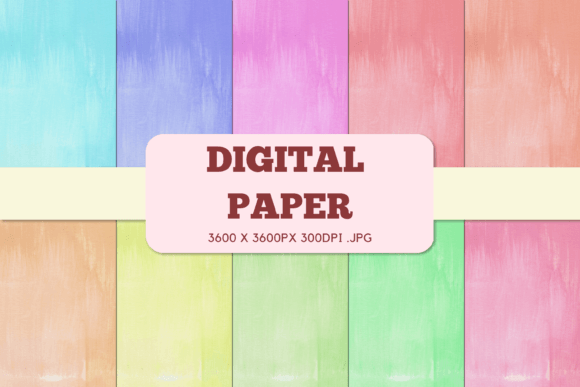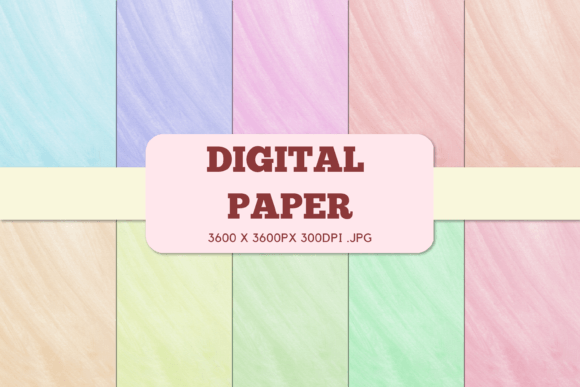
Soft 3 Digital Paper Watercolor
In a digital marketplace saturated with visual noise, the difference between a product that blends in and one that stands out often comes down to subtle aesthetic choices. For entrepreneurs, designers, and content creators, selecting the right background textures is not merely an artistic preference; it is a strategic decision that influences perception, trust, and engagement. The Soft 3 Digital Paper Watercolor bundle offers a refined solution for those seeking to elevate their visual communication through organic, hand-crafted aesthetics. This collection of high-resolution digital papers provides more than just decoration; it offers a foundation for cohesive branding, enhanced user experience, and professional-grade output across diverse mediums.
Understanding the strategic value of texture begins with recognizing how human psychology responds to visual cues. Smooth, flat colors can feel sterile or corporate, while overly chaotic patterns can induce cognitive fatigue. Soft watercolor textures occupy a middle ground: they convey warmth, authenticity, and approachability without overwhelming the primary message. Whether you are designing a brand identity for a small business, creating educational materials, or producing physical merchandise, the Soft 3 Digital Paper Watercolor assets serve as versatile tools that support these broader objectives.
Strategic Applications Across Business Operations
The utility of this digital paper pack extends far beyond simple scrapbooking. For modern business owners, every touchpoint with a customer is an opportunity to reinforce brand values. The inclusion of Soft 3 Digital Paper Watercolor in your workflow allows for consistent thematic application across multiple channels, ensuring that your audience receives a unified message regardless of where they encounter your brand.
- Brand Identity and Logo Design: Using soft watercolor backgrounds behind logos can soften harsh geometric lines, making a brand appear more accessible and human-centric. This is particularly effective for businesses in wellness, lifestyle, education, and creative services.
- Product Packaging: In an era where unboxing experiences drive social media sharing, packaging design is critical. Sublimation-ready files allow manufacturers to print directly onto products with vibrant, fade-resistant results. The 600 DPI resolution ensures that intricate details remain crisp, even on curved surfaces like mugs or pillows.
- Digital Marketing Assets: Social media platforms favor content that stops the scroll. A well-composed graphic using these digital papers can increase click-through rates by providing a visually pleasing context for calls-to-action. It transforms standard posts into shareable art pieces.
- Printed Collateral: For businesses still relying on physical marketing, such as business cards, brochures, or event invitations, high-quality paper textures add tactile prestige. When printed, the digital representation translates into a perceived higher value, influencing customer willingness to retain the material.
Technical Specifications and Workflow Efficiency
One of the most overlooked aspects of digital asset acquisition is technical compatibility. A beautiful image is useless if it cannot be integrated into existing workflows without significant rework. The Soft 3 Digital Paper Watercolor bundle addresses this by providing files that meet industry standards for both digital and print production.
Each of the ten included JPG files is sized at 12×12 inches with a resolution of 3600×3600 pixels. This specific dimension is the industry standard for scrapbooking and many design software presets, but its true power lies in its scalability. At 600 DPI (dots per inch), these images offer exceptional clarity. To put this in perspective, standard print quality is usually 300 DPI. By starting with 600 DPI, you have the flexibility to crop, zoom, or adjust compositions without risking pixelation or blurriness. This future-proofs your designs, allowing you to repurpose assets for larger formats, such as banners or wall art, without needing to source new graphics.
For sublimation artists, the file format is crucial. Sublimation printing requires high-contrast, sharp images to transfer ink effectively onto substrates. The detailed texture of watercolor papers ensures that the final product retains depth and color fidelity. Whether you are applying these designs to phone cases, blankets, or t-shirts, the high resolution guarantees that the "soft" aesthetic remains intact rather than becoming muddy or distorted during the heat-transfer process.
Intentional Design: Avoiding Visual Clutter
A common mistake among amateur designers is overusing textures. While Soft 3 Digital Paper Watercolor adds character, it must be used with restraint to maintain readability and focus. The strategy here is to let the texture support the content, not compete with it. When incorporating these papers into a layout, consider the following guidelines:
- Contrast Management: Ensure that text placed over these backgrounds has sufficient contrast. If the watercolor pattern is dense, use solid-colored text boxes or drop shadows to improve legibility. The goal is to guide the viewer’s eye to the key information.
- Color Harmony: These digital papers likely feature muted, earthy, or pastel tones. Align your typography and accent colors with the palette of the chosen paper. Clashing neon colors against soft watercolor can create visual dissonance that undermines the intended calm or professional tone.
- Layering Techniques: Use opacity settings to blend the watercolor texture subtly beneath other elements. Instead of using the full image as a background, try overlaying it at 20–40% opacity. This creates a sophisticated, layered effect that feels custom-made rather than template-driven.
Risks and Considerations in Asset Usage
While the benefits are clear, relying on stock digital assets carries inherent risks if not managed properly. The primary concern is differentiation. Because these resources are available to others, there is a possibility that your competitor may use the same or similar textures. To mitigate this, treat the digital paper as a component of a larger, unique composition. Combine it with original photography, custom illustrations, or bespoke typography. This ensures that your final output is distinctively yours, leveraging the texture only as a supporting element.
Another consideration is the medium of display. Digital screens render colors differently than physical printers. A soft gray-blue in your design software might appear darker or lighter when printed on matte versus glossy paper. Always conduct test prints before committing to large runs, especially for product packaging or bulk merchandise. Additionally, be mindful of licensing agreements. Ensure that your commercial use rights align with your business model, particularly if you are reselling products that feature these designs.
Long-Term Value and Creative Sustainability
Investing in high-quality digital assets is an investment in long-term creative sustainability. Rather than spending hours searching for the perfect background or attempting to recreate watercolor effects manually—which requires significant skill and time—you can allocate those resources to strategy, customer engagement, and product development. The Soft 3 Digital Paper Watercolor pack streamlines the production process, allowing for rapid prototyping and iteration.
Furthermore, the versatility of these files supports agile marketing strategies. As trends shift, you can quickly adapt your visual language by swapping out different textures from the bundle while maintaining a consistent brand voice. This agility is essential for staying relevant in fast-paced industries like fashion, tech, and digital publishing.
Ultimately, the decision to incorporate Soft 3 Digital Paper Watercolor into your projects should be driven by a clear understanding of your audience’s expectations and your brand’s core message. By using these resources intentionally—respecting their technical limits, enhancing them with unique elements, and applying them strategically—you transform simple digital papers into powerful tools for communication. This approach not only improves the aesthetic quality of your work but also contributes to better business outcomes, fostering trust and loyalty through thoughtful, professional design.
Whether you are a seasoned graphic designer looking to expand your toolkit or a small business owner aiming to polish your online presence, these assets provide a reliable foundation for excellence. The key lies in moving beyond passive usage and embracing a proactive design philosophy, where every visual choice serves a purpose in achieving your broader goals.