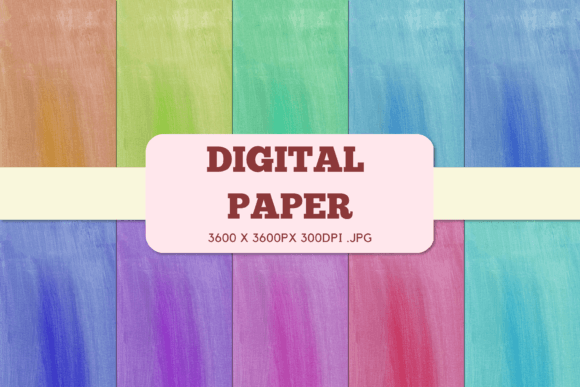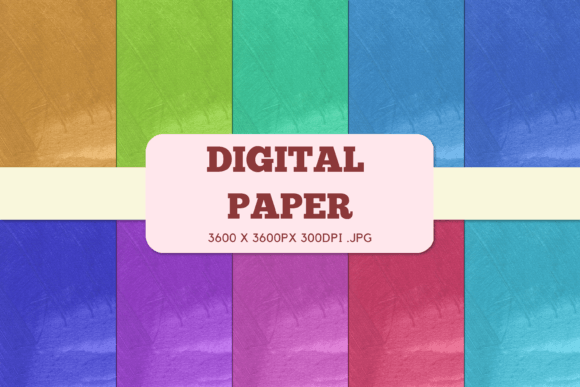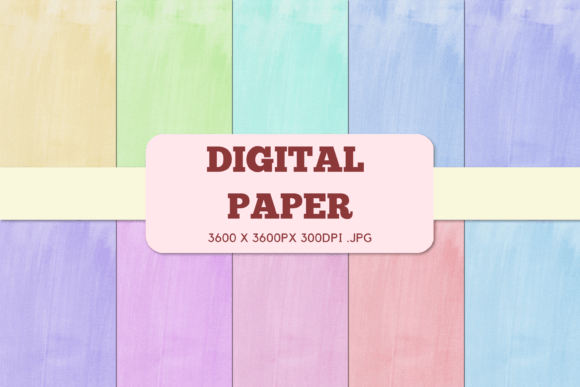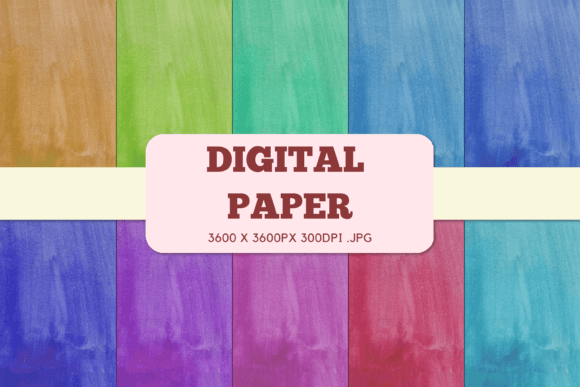
Evaluating Dry 11 Digital Paper Watercolor for Creative Projects and Commercial Use
In the realm of digital design, particularly within the subcultures of print-on-demand (POD), scrapbooking, and small business branding, the quality of texture is often what separates a generic product from a premium one. Dry 11 Digital Paper Watercolor represents a specific niche in this market: high-resolution digital assets designed to mimic the tactile appearance of traditional watercolor paper without the mess or cost of physical materials. For creators aged 20 to 50 who are constantly evaluating tools to enhance their output, understanding the technical specifications, aesthetic qualities, and practical applications of this bundle is essential before integrating it into a workflow.
This analysis explores what Dry 11 Digital Paper Watercolor offers, how it compares to other digital texture options, and which project types benefit most from its inclusion. By examining the file structure, resolution, and versatility, designers can make an informed decision about whether this resource aligns with their creative goals.
Understanding the Product Specifications and Technical Quality
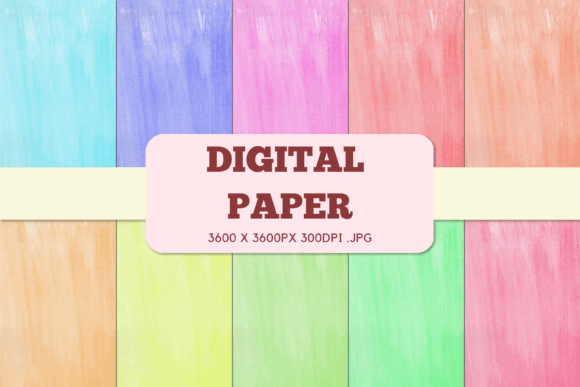
At its core, Dry 11 Digital Paper Watercolor is a bundle comprising ten distinct JPG files. While "ten" might seem like a modest quantity compared to massive asset libraries, the value lies in the resolution and clarity of each individual sheet. Each file measures 12×12 inches at 3600×3600 pixels, boasting a density of 600 DPI. To put this in perspective, standard high-quality printing usually requires 300 DPI. The 600 DPI specification ensures that even when these textures are scaled up for large-format prints—such as wall art, oversized pillows, or wide banners—the image remains crisp, with no visible pixelation or blurring of the paper grain.
The format is strictly JPG. This choice has significant implications for workflow. Unlike PSD (Photoshop) files that might include layered masks, adjustment layers, or smart objects, JPGs are flattened raster images. This means they are universally compatible with almost any design software, from Adobe Illustrator and InDesign to Canva and GIMP. However, it also means the user cannot easily isolate the texture from the background color or adjust the lighting effects non-destructively. The texture is baked into the image. For many users, this simplicity is a feature rather than a bug, allowing for quick drag-and-drop integration into designs without complex layer management.
Resolution and Scalability Tradeoffs
While 600 DPI is excellent for print, it results in larger file sizes. Designers working on older hardware or those with limited storage space should be aware that handling ten high-resolution 12x12 inch images simultaneously can impact performance. Furthermore, because the files are flat JPEGs, they lack the transparency benefits of PNG formats. If a designer needs to place the watercolor texture over a dark background without a white box surrounding it, they would need to manually remove the background in their editing software, which can sometimes degrade the edge quality if not done carefully.
Aesthetic Analysis: The "Dry" Watercolor Effect
The term "watercolor" in digital design is broad, ranging from wet-on-wet bleeding effects to dry-brush stippling. Dry 11 Digital Paper Watercolor specifically targets the latter aesthetic. It mimics the look of cold-press watercolor paper that has been used but perhaps left to dry completely, resulting in a textured surface that catches light and shadow subtly. This is distinct from "wet" watercolor papers, which focus on pigment diffusion and color bleeding.
This distinction is crucial for comparison. If a creator is designing a greeting card that requires the illusion of fresh, wet ink spreading across the page, Dry 11 may not be the primary tool; they would instead look for "wet effect" brushes or overlays. However, for projects requiring a rustic, organic, or handcrafted feel—such as wedding invitations, artisanal packaging, or bohemian-style t-shirts—the dry texture provides a sophisticated backdrop that adds depth without overwhelming the central graphic elements.
Comparing Dry 11 to Alternative Texture Formats
When evaluating Dry 11 Digital Paper Watercolor, it is helpful to compare it against other common texture solutions available to digital artists. These alternatives fall into three main categories: vector patterns, mixed-media bundles, and single-purpose overlays.
- Vector Patterns vs. Raster Textures: Vector-based watercolor patterns (SVG or EPS) are infinitely scalable and editable. They are ideal for logo design where clean lines are paramount. However, vectors often struggle to replicate the subtle, random imperfections of real paper grain. Dry 11, being a high-DPI raster image, captures these micro-details more authentically than most vector approximations.
- Mixed-Media Bundles: Many competitors offer bundles containing twenty or thirty items, including brushes, clipart, and backgrounds. While these offer volume, the quality control can vary. Dry 11 focuses on a singular, cohesive aesthetic across all ten files. This consistency is beneficial for brand identity, ensuring that a series of social media posts or a collection of business cards maintains a uniform visual language.
- Single-Purpose Overlays: Some resources provide only one or two texture sheets. Dry 11’s inclusion of ten variations allows for variety within a project. A designer might use one texture for a book cover and another for the interior pages, creating subtle visual interest without switching asset sources.
Practical Applications and Best-Fit Scenarios
The versatility of Dry 11 Digital Paper Watercolor extends across multiple industries. Its 12x12 inch dimension is a standard size in the scrapbooking and digital planning community, making it immediately usable for those workflows. Below are specific scenarios where this resource shines, alongside considerations for other uses.
Print-on-Demand and Merchandise
For entrepreneurs selling on platforms like Etsy, Redbubble, or Amazon Merch, the ability to produce high-quality mockups and final products is key. The 600 DPI resolution makes Dry 11 suitable for:
- T-Shirts and Apparel: When printed via Direct-to-Garment (DTG), the texture adds a premium feel to graphic tees, particularly those with vintage or artistic themes.
- Home Decor: Pillows, blankets, and throw rugs benefit from the soft, organic look of watercolor paper textures. The high resolution ensures the pattern does not appear muddy when enlarged.
- Phone Cases and Stickers: These items often require sharp details. The clarity of the 3600px width prevents the texture from looking like a simple blur, maintaining the integrity of the design.
Stationery and Branding
In the corporate and personal branding space, differentiation is vital. Using Dry 11 Digital Paper Watercolor for:
- Business Cards: Adding a subtle watercolor texture to the back of a business card can elevate the perceived value of the brand.
- Invitations: Wedding and event invitations often rely on elegance and tradition. The dry brush strokes evoke a sense of hand-lettering and artisanal care.
- Product Packaging: For small businesses selling candles, soaps, or baked goods, custom packaging with a natural paper texture helps communicate eco-friendly or handmade values.
Limitations and Considerations for Decision Making
No digital asset is perfect, and recognizing the limitations of Dry 11 Digital Paper Watercolor is part of a responsible evaluation process.
Lack of Editability: As mentioned, the JPG format limits post-processing flexibility. Users cannot change the hue of the paper itself without affecting the entire image uniformly. If a designer needs a blue-tinted watercolor paper, they must apply color adjustments globally, which might darken the shadows too much or wash out the highlights.
Repetition Risks: With only ten files, there is a risk of repetition if a user creates a large volume of content over several years. Designers relying heavily on this bundle for daily social media posts may find themselves reusing the same texture too frequently. In such cases, purchasing additional varied bundles or exploring different texture styles would be necessary.
Color Accuracy: Since these are digital files viewed on screens, the final printed color depends on the printer’s calibration. Watercolor textures often contain subtle grays and off-whites that can shift in tone depending on the paper stock used for printing. It is advisable to order test prints before committing to bulk production.
Final Verdict: Is Dry 11 the Right Choice?
Dry 11 Digital Paper Watercolor is a specialized tool that excels in providing high-fidelity, professional-grade textures for designers who prioritize quality over quantity. It is best suited for individuals who need reliable, consistent, and highly detailed backgrounds for print-heavy projects such as merchandise, stationery, and packaging.
If your workflow involves rapid, low-volume prototyping where editability is key, you might prefer vector assets or layered PSDs. If you require wet, bleeding watercolor effects, this dry texture will not meet your needs. However, for creators seeking to add a touch of organic realism and premium texture to their digital and physical products, the 600 DPI clarity and versatile application of Dry 11 make it a strong contender in the digital asset market. It serves as a foundational element that can elevate simple graphics into polished, professional designs.