Abstract 7 Digital Paper Watercolor: A Versatile Asset for Creative Projects
In the rapidly evolving landscape of digital design and print-on-demand businesses, having access to high-quality, versatile assets is no longer just a luxury—it is a necessity. Among the myriad of resources available to creators, Abstract 7 Digital Paper Watercolor stands out as a robust solution for those seeking texture, depth, and artistic flair in their work. This digital paper bundle pack is designed to bridge the gap between traditional artistic mediums and modern digital production, offering a seamless way to enhance everything from personal scrapbooks to commercial product lines.
The core appeal of this resource lies in its adaptability. Whether you are a hobbyist looking to add a unique touch to homemade gifts or a business owner aiming to streamline your product design process, understanding the capabilities and applications of Abstract 7 Digital Paper Watercolor can significantly elevate the quality of your output. This article explores the features, potential use cases, and practical considerations of utilizing these digital papers, providing a comprehensive guide for both novices and seasoned professionals.
Understanding the Core Features
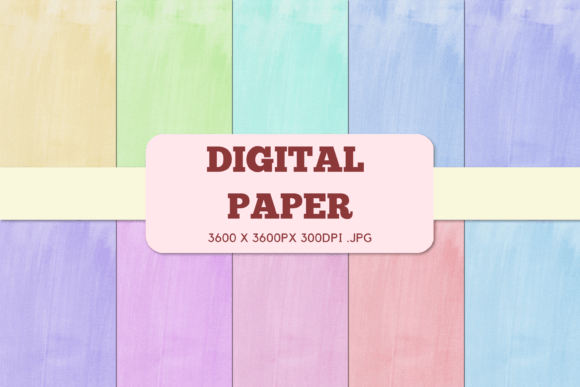
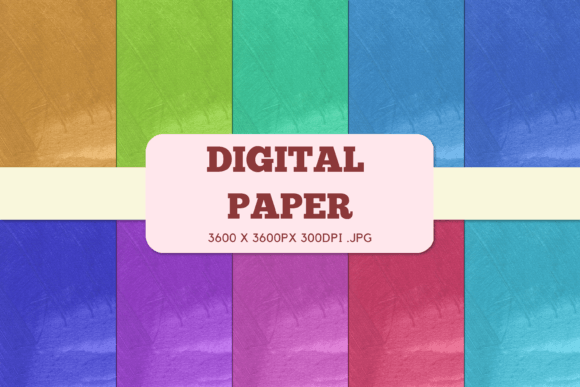
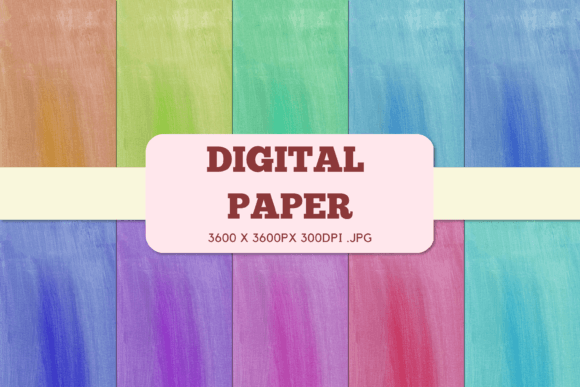
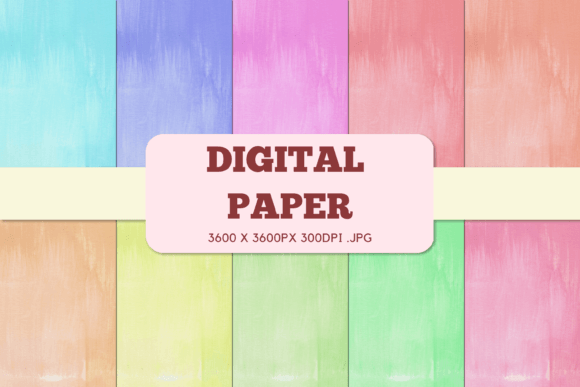
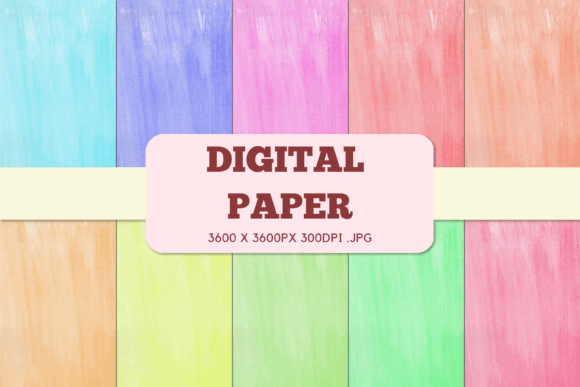
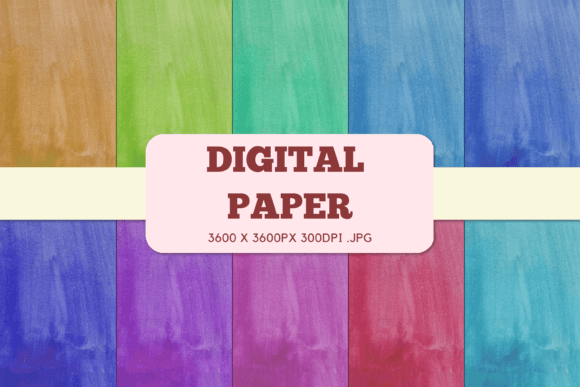
Before diving into specific applications, it is essential to understand what makes Abstract 7 Digital Paper Watercolor technically superior to many other free or low-cost digital assets found online. The primary differentiator is resolution. The file includes 10 JPG files, each measuring 12×12 inches at an impressive 3600×3600 pixels with a density of 600 DPI (dots per inch). To put this into perspective, standard web images often hover around 72 to 96 DPI, while professional printing standards typically require 300 DPI. By providing 600 DPI, this bundle ensures that even when scaled down or cropped for small items like phone cases or stickers, the image retains crisp edges and smooth color gradients without pixelation.
The "watercolor" aspect of the title refers not only to the aesthetic style but also to the subtle textural qualities embedded within the JPEGs. These designs mimic the organic bleed and soft edges characteristic of real watercolor paint on paper. This adds a layer of authenticity that flat vector graphics often lack. For designers, this means less time spent searching for background textures to overlay on top of their work, as the texture is intrinsic to the image itself.
- High Resolution: 3600×3600 px at 600 DPI ensures print-ready quality for large formats.
- Optimal Dimensions: 12×12 inches is the industry standard for scrapbooking and many sublimation templates.
- Format Flexibility: Delivered as JPG files, which are universally compatible with almost all design software, from Adobe Photoshop to Canva.
- Aesthetic Depth: The abstract nature allows for broad interpretive use across various themes and color palettes.
Practical Applications Across Industries
The versatility of Abstract 7 Digital Paper Watercolor extends across a wide spectrum of industries. Because the designs are abstract, they do not tie the user to a specific niche, allowing for creative freedom regardless of the end product. Below are some of the most effective ways to utilize these digital papers.
Print-on-Demand and Merchandise
For entrepreneurs in the print-on-demand space, background textures are crucial for creating visually appealing products. When designing T-shirts, mugs, pillows, or blankets, a plain white background can feel sterile. Overlaying or integrating Abstract 7 Digital Paper Watercolor provides a sophisticated backdrop that makes typography and illustrations pop. For example, a motivational quote printed over a soft, muted watercolor wash feels more inviting and premium than one on a solid color block. Similarly, for phone cases and laptop skins, the high-resolution capability ensures that the intricate details of the watercolor effect remain visible even on small screens.
Stationery and Business Branding
Professionalism does not have to mean boring. Small business owners can leverage these digital papers to create cohesive branding materials. Imagine using a specific tone from the watercolor bundle as the background for business cards, letterheads, or product packaging. The texture adds a tactile visual element that suggests care and attention to detail. Furthermore, for social media marketing, these images can serve as engaging post backgrounds or story templates, helping brands stand out in crowded feeds by offering a break from the typical geometric or photographic styles.
Scrapbooking and Personal Crafts
While digital in nature, these papers are perfectly suited for physical crafting. Hobbyists who use home printers can print these 12×12 inch sheets directly onto cardstock or photo paper to create custom scrapbook pages. The 600 DPI resolution means that when viewed up close, the grain and pigment variations look remarkably similar to hand-painted art. This is particularly valuable for scrapbookers who want to document life events with a personalized, artistic touch without needing advanced painting skills.
Digital Products and Sublimation
Sublimation printing, a process where ink is transferred to substrates like polyester fabric or coated ceramics using heat, benefits greatly from high-resolution inputs. If you sell sublimated blankets or tumblers, starting with a low-resolution image will result in blurry, jagged prints. Using Abstract 7 Digital Paper Watercolor guarantees that the vibrant colors and soft transitions survive the transfer process intact. Additionally, creators selling digital planners, printable wall art, or invitation templates can include these papers as bonus elements or use them to create their own products to sell on platforms like Etsy.
Evaluating Suitability and Limitations
While the benefits of using Abstract 7 Digital Paper Watercolor are substantial, it is important to approach any digital asset with a critical eye. Understanding the limitations helps set realistic expectations and prevents frustration during the design process.
File Format Considerations
The bundle consists of JPG files. While JPGs are convenient for compatibility, they are a lossy compression format. This means that if you plan to edit the colors extensively or remove parts of the image using transparency, a PNG or PSD file might be more advantageous. However, for most users who simply need a high-quality background texture, JPG is sufficient. If you need to isolate specific elements from the watercolor design, you may find yourself spending extra time masking out the background, as the layers are flattened in the JPG format.
Licensing and Commercial Use
Always verify the licensing terms associated with the purchase. Some digital paper bundles allow for unlimited commercial use, meaning you can sell products made with them indefinitely. Others may restrict the number of physical items you can produce or prohibit resale of the digital files themselves. As a general rule, always read the fine print. Assuming that a digital download grants full commercial rights without verification can lead to legal issues later on.
Aesthetic Compatibility
Because the designs are abstract, they may not fit every brand identity. A corporate law firm might find the organic, fluid nature of watercolor too informal for their needs. Conversely, a boutique wedding stationery shop would likely find it perfect. It is crucial to evaluate whether the mood conveyed by the watercolor textures aligns with the message you wish to communicate. Testing a few designs in mockups before committing to a full project can help determine if the aesthetic fits your vision.
Best Practices for Implementation
To get the most out of Abstract 7 Digital Paper Watercolor, consider adopting a few best practices during your workflow. First, always work with a copy of the original high-resolution file. Never edit the master file directly; instead, duplicate it to preserve the source quality. Second, experiment with blending modes in your design software. Placing the watercolor paper over a solid color layer with a "Multiply" or "Overlay" blend mode can create unique effects that make the texture interact dynamically with your chosen colors.
Additionally, consider the context of your final output. If you are designing for a mobile app icon, a 12×12 inch image might be overkill in terms of data weight, though the quality remains excellent. In such cases, downsizing the image appropriately for web use can improve load times without sacrificing visual integrity. For print projects, ensure your design software is set to CMYK color mode rather than RGB to avoid color shifts when the physical product is printed, as watercolors rely heavily on subtle color nuances.
Conclusion
The demand for authentic, textured visuals continues to grow as consumers become more discerning about the quality of digital and physical products they encounter. Abstract 7 Digital Paper Watercolor addresses this demand by providing a high-quality, versatile, and aesthetically pleasing resource that caters to a wide range of creative needs. From enhancing the perceived value of merchandise to adding artistic depth to digital invitations, these papers offer a practical solution for creators looking to elevate their work.
By leveraging the 600 DPI resolution and the organic beauty of the watercolor style, users can achieve professional results with minimal effort. Whether you are printing your first batch of stickers or redesigning your entire brand identity, incorporating these digital papers into your toolkit can provide the finishing touch that transforms good designs into great ones. As you explore the possibilities, remember to respect licensing agreements and test your designs thoroughly to ensure they meet your specific project requirements. In doing so, you unlock the full potential of this valuable creative asset.