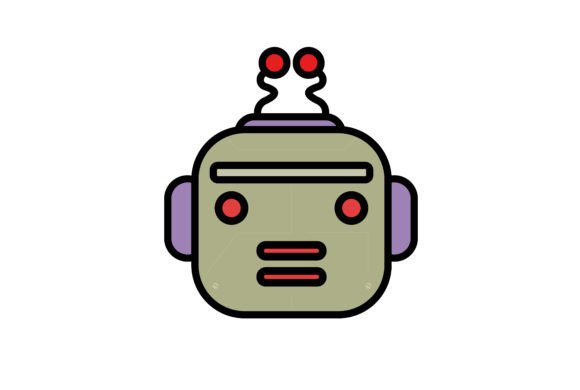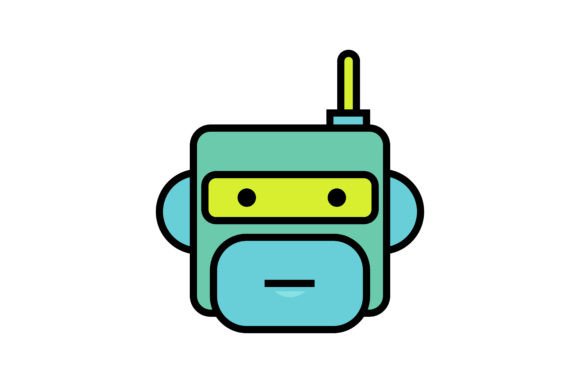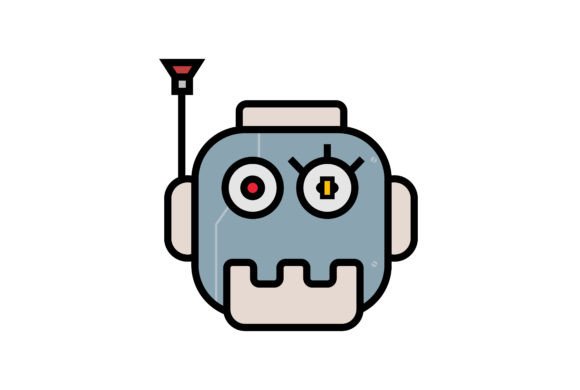
Robot Face Clipart
In an era where digital interfaces and physical products increasingly blur the lines between the virtual and the tangible, visual assets that convey technology, innovation, and futurism are more valuable than ever. Among these assets, Robot Face Clipart has emerged as a versatile and powerful design element. Whether you are a graphic designer crafting a brand identity, a small business owner creating marketing materials, or a hobbyist preparing for a craft project, finding high-quality, scalable vector graphics is essential. This discussion explores why robotic imagery resonates with modern audiences and how specific technical features—such as multi-format availability and high-resolution output—make certain AI-themed vectors indispensable tools in today’s creative workflow.
The Rise of AI Imagery in Modern Design
Artificial Intelligence (AI) has moved from science fiction to everyday reality. As algorithms begin to handle tasks ranging from customer service chatbots to complex data analysis, the public’s perception of robots has shifted. They are no longer just cold machines; they are becoming partners in productivity, creativity, and automation. Consequently, designers are turning to robot face clipart to visually communicate concepts related to intelligence, efficiency, and future-forward thinking.
This trend is not merely aesthetic; it reflects a deeper cultural shift. Businesses want to appear tech-savvy without appearing intimidating. A well-designed robot face can strike that balance perfectly. It suggests sophistication and capability while remaining approachable. For entrepreneurs and marketers, using these visuals helps signal to customers that their services are powered by modern technology. However, the effectiveness of this visual communication depends heavily on the quality and versatility of the asset used.
Why Vector Graphics Are Essential for Scalability
One of the most critical aspects of selecting a graphic for professional use is its format. Raster images, such as standard JPEGs or PNGs, are made of pixels. When you enlarge them, they become blurry and pixelated. In contrast, vector graphics are mathematically defined, meaning they can be scaled to any size without losing clarity. This makes scalable cyborg vector designs ideal for a wide range of applications.
Consider the difference in usage scenarios. A logo needs to look sharp on a tiny mobile app icon and equally crisp on a large billboard. A sticker cut from vinyl needs precise edges to ensure the cutting machine follows the design accurately. If you are designing a book cover or a banner, you need high-resolution details that do not break down when printed at large sizes. This is why formats like SVG, EPS, and AI are preferred by professionals. They allow for infinite scalability, ensuring that your design maintains its integrity regardless of the medium.
Technical Specifications: Resolution and Dimensions
For those who prioritize print quality, resolution is paramount. High-quality printing requires images with sufficient dot density to avoid graininess. The specific robotic vector graphic discussed here boasts dimensions of 4936x3319px at 300 dpi. This specification is crucial for several reasons:
- Print Readiness: At 300 DPI (dots per inch), the image is considered "print-ready" for professional paper printing. This ensures that whether you are producing glossy brochures, matte business cards, or textured greeting cards, the robot face will appear sharp and detailed.
- Large Format Versatility: With nearly 5000 pixels in width, this image can be printed at substantial sizes without upscaling artifacts. This is particularly useful for banners, exhibition backdrops, or large-scale wall art.
- Detail Preservation: Higher resolution allows for finer details in the robot’s facial features, expressions, and mechanical elements, which adds depth and realism to the final product.
Understanding these technical specifications helps creators avoid common pitfalls, such as ordering prints that turn out blurry or spending hours trying to upscale low-quality images with software that often results in muddy visuals.
Multi-Format Support for Diverse Workflows
No two designers work exactly the same way. Some prefer Adobe Illustrator for its robust vector editing capabilities, while others might use GIMP for open-source flexibility, or Photoshop for photo manipulation. To accommodate these varied workflows, comprehensive asset packages offer multiple file formats. The inclusion of SVG, PNG, JPG, EPS, DXF, and AI files within a single ZIP folder provides exceptional utility.
Each format serves a distinct purpose:
- SVG (Scalable Vector Graphics): Ideal for web design and interactive media. It keeps file sizes small while maintaining quality and is easily editable in code.
- EPS & AI: Standard formats for professional vector editing in Adobe Illustrator. These preserve layers and paths, allowing for deep customization.
- PNG & JPG: Raster formats suitable for quick insertion into presentations, social media posts, or basic document editors. PNG supports transparency, which is vital for overlaying the robot face onto different backgrounds.
- DXF: A format commonly used in CAD (Computer-Aided Design) and laser cutting software, bridging the gap between digital design and physical fabrication.
This diversity ensures that whether you are a seasoned graphic designer or a beginner using Canva, you have access to a file type that works seamlessly with your chosen software.
Practical Applications Across Industries
The versatility of a high-quality robot face illustration extends far beyond simple decoration. Its application spans various industries and creative practices, making it a valuable asset for both commercial and personal projects.
Digital Content Creation
Bloggers and content creators often struggle to find unique headers and icons. Using a robot face clipart can instantly theme a post about AI trends, cybersecurity, or robotics education. Because the vector is scalable, it can be resized for thumbnails, sidebars, or embedded illustrations without quality loss. Websites benefit from lightweight SVGs that load quickly, improving user experience and SEO performance.
Print-on-Demand and Merchandise
The rise of print-on-demand (POD) platforms has empowered individuals to sell custom designs on t-shirts, mugs, and posters. A striking robot face design can serve as the centerpiece for apparel targeting tech enthusiasts. The high resolution ensures that the print comes out vibrant and clear, even on dark fabrics or curved surfaces. Furthermore, the inclusion of DXF files opens up possibilities for physical products, such as wooden signs or metal decals.
Crafting and DIY Projects
For hobbyists, the mention of compatibility with Cricut is particularly significant. Cricut and similar cutting machines rely on clean vector paths to cut shapes from vinyl, cardstock, or fabric. The robotic vector graphic being perfect for Cricut means that users can create intricate stickers, decals, and scrapbooking elements with precision. The ability to cut stickers out of paper allows for personalized gift tags, party invitations, and decorative items. This bridges the gap between digital design and tactile creation, appealing to parents, teachers, and crafters.
Branding and Corporate Identity
Startups in the tech sector often seek logos that convey innovation. An AI logo design sign featuring a stylized robot face can help establish a brand’s identity as forward-thinking and reliable. Business cards, letterheads, and presentation decks can all feature this consistent visual language. The professional nature of the vector ensures that it looks authoritative and polished, enhancing the perceived value of the business.
Editorial and Publishing
Authors and publishers use artwork to capture attention. Book covers, especially in genres like sci-fi, techno-thrillers, or educational non-fiction, benefit from compelling central imagery. A scalable cyborg vector can be integrated into a layout, adjusted for color schemes, and combined with typography to create a market-ready cover. Similarly, invitation cards for tech conferences, hackathons, or futuristic-themed parties can leverage this imagery to set the tone.
Choosing the Right Asset for Your Needs
When selecting a graphic, it is important to look beyond just the visual appeal. Consider the technical requirements of your project. If you plan to edit the colors extensively, ensure the file is in a vector format like SVG or AI. If you need transparency for layering, PNG is a safe choice. For printing, verify the DPI and dimensions match your printer’s requirements.
Additionally, consider the source of the asset. Reputable shops often provide organized ZIP folders containing all necessary variants, saving time on file management. Visiting a shop dedicated to cartoon graphic designs or vector illustrations often yields higher quality results than searching random free image sites, where licensing and quality can be inconsistent.
Conclusion
The demand for Robot Face Clipart is driven by a confluence of technological advancement and creative necessity. As AI becomes more integrated into our lives, the visual language surrounding it must evolve to reflect both its power and its accessibility. By choosing high-quality, scalable, and multi-format vector graphics, creators can ensure their work remains relevant, professional, and adaptable across various mediums. Whether you are cutting stickers for a child’s birthday, designing a logo for a startup, or illustrating a blog post, the right robot face vector can elevate your project from ordinary to extraordinary. The key lies in understanding the technical specifications—resolution, format, and scalability—and matching them to your specific creative goals.