Magical Mushroom Backgrounds: A Practical Guide to Choosing and Using Digital Papers
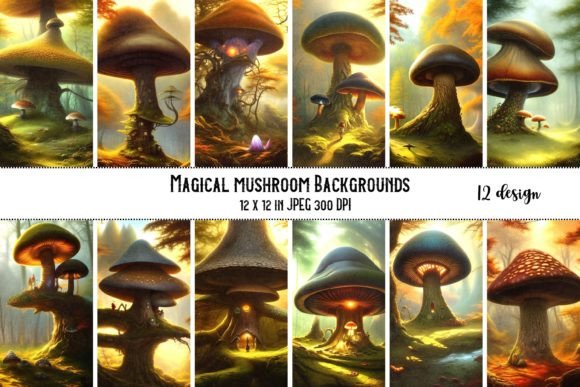
When you are looking to add a touch of whimsy and natural charm to your creative projects, Magical Mushroom Backgrounds often appear as a top contender. Whether you are a seasoned scrapbooker with shelves full of albums or a small business owner designing eco-friendly packaging, the demand for high-quality digital textures is higher than ever. However, not all digital assets are created equal. Many creators rush into purchasing low-resolution files, only to find their final prints look pixelated or muddy. This guide aims to help you navigate the world of digital paper downloads, ensuring that when you invest in a set like the 12 Printable background designs, you get exactly what you need for professional results.
Understanding What You Are Actually Buying
One of the most common misunderstandings among beginners is assuming that "digital" means "low effort." In reality, a high-quality digital asset requires specific technical specifications to be useful in both print and digital media. When you purchase a set described as containing 12 high quality digital paper JPEG files, you should expect more than just pretty pictures. You need technical precision.
The standard for professional printing is 300 dpi (dots per inch) at a size of 12 x 12 inches (which translates to 3600 x 3600 px). If a seller offers you backgrounds at 72 dpi or smaller dimensions, those files are suitable only for web use, such as blog headers or social media posts. They will fail miserably if you attempt to print them for physical crafts. Before adding any mushroom-themed digital pack to your cart, verify these specs. A 300 dpi file ensures that when you print a thank-you card or a scrapbook page, the intricate details of the mushroom gills and caps remain crisp, not blurry.
Common Mistakes in Digital Paper Selection
Avoiding pitfalls starts with knowing what to look for—and what to ignore. Here are frequent errors that can compromise your project’s quality.
- Ignoring Color Profiles: Most digital screens use RGB color mode, while printers use CMYK. While many modern printers handle RGB-to-CMYK conversion well, significant shifts can occur. Dark greens may turn brownish, and vibrant oranges might fade. Always check if the seller provides guidance on color correction or test prints.
- Overlooking File Formats: The prompt specifies JPG format. While JPG is universally compatible, it is a lossy compression format. For archival purposes or heavy editing, TIFF or PNG might be preferred. However, for immediate printing and scrapbooking, high-quality JPGs are efficient and manageable. Just ensure the compression level is minimal.
- Assuming Versatility Without Testing: Not all backgrounds work for all projects. A dark, moody forest floor texture might be perfect for a gothic journal but terrible for a bright baby shower invitation. Evaluate the contrast and brightness of each of the 12 designs before committing to using them for specific themes.
Maximizing the Utility of Your Digital Set
Once you have secured your Digital set of 12 printable backgrounds, the real work begins in how you apply them. These files are incredibly versatile, but they require thoughtful application to shine.
Physical Crafts and Scrapbooking
This collection is perfect for decorating scrapbook albums, junk journals, cards, presents, boxes, and other handmade things. When using these for physical items, consider the weight of your paper. Standard printer paper (20lb) may buckle or show ink bleed-through. Opt for cardstock (65lb or higher) for greeting cards and heavier stock for album covers. Print a single test page first to check ink density. Mushrooms often feature subtle earth tones; if your printer uses too much cyan, your mushrooms might look swampy rather than magical.
Digital Design and Branding
Beyond physical crafts, these backgrounds serve as excellent foundations for digital design. Because they are 3600 x 3600 px, you have ample room to layer elements. You can create logos, invitations, brochures, flyers, and business cards. The square aspect ratio of the 12x12 inch files also makes them ideal for phone covers and blog headers.
For entrepreneurs and bloggers, consistency is key. Use one of the mushroom backgrounds as a recurring element in your brand identity. Perhaps use it as a watermark on your PDF guides or as a subtle backdrop for your email newsletters. This creates a cohesive visual language that customers recognize instantly.
Sublimation and Large Format Printing
If you are into sublimation, be aware that this process transfers dye into substrates like fabric or ceramic. The 300 dpi resolution is crucial here because sublimation does not tolerate pixelation well. If you plan to print these on tote bags or mugs, ensure your sublimation printer driver is set to "Photo Quality" or "High Resolution" to preserve the integrity of the image data.
Evaluating Value and Usage Rights
Before you finalize your purchase, take a moment to read the terms of use. Some digital sellers restrict commercial use, meaning you cannot sell products made with these backgrounds. Others allow personal use only. As a freelancer or small business owner, clarity is essential to avoid legal issues.
Additionally, consider the variety within the set. Does the collection offer enough diversity? A good set should include variations in color palette (earthy browns, vibrant reds, soft pastels) and density (sparse vs. crowded). This variety allows you to mix and match without breaking the visual harmony of your project. For instance, a sparse background works well as a canvas for text-heavy invitations, while a dense, detailed pattern might serve better as a textured overlay in a digital collage.
Final Tips for Success
To ensure satisfaction with your Magical Mushroom Backgrounds, adopt a workflow that prioritizes preparation. Organize your downloaded files into clearly labeled folders immediately after purchase. Name them descriptively (e.g., "Mushroom_BG_Red_Sparse_300dpi.jpg") so you can find them quickly during busy project days.
Furthermore, keep a record of which backgrounds worked best for which mediums. Did the red-capped mushroom print vividly on matte paper but dull on glossy? Note these observations. Over time, you will build a personal library of knowledge that makes future projects faster and more successful.
By understanding the technical requirements, avoiding common printing errors, and applying these backgrounds thoughtfully across various mediums, you can transform simple digital files into stunning physical and digital creations. The right resources, used correctly, elevate your work from amateur to professional. Take the time to evaluate, test, and experiment, and your scrapbook pages, photo books, bunting, and banners will reflect the care and quality they deserve.